
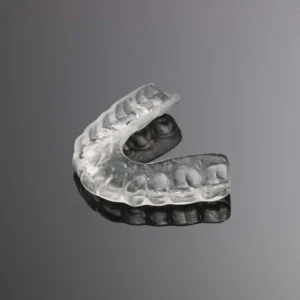
 Mouth guards are basic but important pieces of equipment designed to safeguard your mouth and teeth against criminal activities. A mouth guard keeps your smile beautiful and prevents dental damage whether you are a sports person engaged in contact games or a tooth grinder in your sleep. In this blog you will explore the several types of mouth guards, advantages and how to select the most appropriate one which meets your demands.
What is a Mouth Guard?
A mouth guard is a protective device constructed with soft and pliable plastic material, which can cover your teeth and gums and prevent your mouth, teeth, lips, tongue, and jaw injuries. It is used during sports and people grind their teeth at night. Mouth guards will prevent broken teeth, cuts, and other mouth damages because the shock of a blow is absorbed and diffused across the guards. Visit Bel Air MD Dentists and get top quality mouth guards along with detailed dental checkups by our top professionals.
Types of Mouth Guards
All mouth guards do not have equal value when it comes to the protection of your teeth. Knowing about the different types available will enable you to make the right choice and use them.
- Stock Mouth Guards
Stock mouth guards are ready-to-use because you do not have to do any preparation before putting them on. They are the cheapest and can be purchased the majority of the sporting options. They however tend to give a loose and uncomfortable fit since they are one-size-fits-all. This could cause inability to speak or breathe well and diminish the amount of protection they provide.
Advantages:
- Inexpensive
- Available nearby and ready to go
Disadvantages:
- Fit and comfort Poor
- Weaker defense
- Hard to speak or breath
- Boil and Bite Mouth Guards
Boil-and-bite provides a superior fit compared to stock-type guards. They are supposed to be made of thermoplastic material and you warm them up in hot water and then bite them so that the guard fits your teeth. This tailoring gives them better comfort and protection thus their sporting fame with recreational athletes.
Advantages:
- Fitter than stock guards More personalised
- Cheap and not scarce
- Greater safety and comfort
Disadvantages:
- Is not easy to shape in correct form
- Fit still could be imperfect
- They may have to replace them more often
- Fitted Mouth Guards
These are mouth guards that have been fitted into your mouth by a medical practitioner. Your dentist will make an impression on your mouth and teeth and you will have a guard fitted to your exact bite and mouth shape. They provide the utmost protection, comfort and durability, thus are the most effective choice among professional applicants as well as those with special needs.
Process:
- Go to a dentist to have a dental impression
- Guard is an occupationally made lab made substance
Dentist adapts and fixes the guard
Benefits:
- Better fit/ comfortable wear
- Enhanced safety and uncompromised protection
- It can be customized to a particular need, (e.g. grinding or braces)
Who Needs a Mouth Guard?
- Those who engage in contact, or high-impact sports such as football, hockey, boxing, basketball, or martial arts are required to use mouth guards
- People who develop bruxism by grinding or clenching their teeth during the night
- Those who wear braces or other dental appliances such as dental bridges might require special mouth gear to guard the teeth along with dental appliances.
- Night guards may also be used by patients who snore or have mild sleep apnea and these mouth guards may be customized to ensure that the airway remains unblocked when the patient is asleep.
Benefits of Using Mouth Guards
- Sports or accidental injuries to teeth involving chipping, cracking or direct blow to the mouth and knocking out are countered by wearing mouth guards.
- They decrease chances of jaw fractures and damage to the soft tissue parts by cushioning blows and by preventing teeth cutting the lips, cheeks or tongue.
- Mouth guards also reduce damage in patients who grind their teeth at night; Remember, they cause a protective barrier to be created to avoid tooth-on-tooth contact.
How to Choose the Right Mouth Guard
- Ensure that the mouth guard is fitting on you as well as comfortable in the mouth.
- Depending on your activity, select one of them: sports guards or night guards.
- Examine the fabric; it has to be strong, unharmed, and easy to wash.
- If you require optimal protection or wear braces, you must consider having a custom-made guard by discussing it with one of the dentists.
- With boil-and-bite guards, you have to read instructions carefully when you are home to obtain a tighter fit.
- The mouth guard gives you the ability to breathe and talk freely without falling.
Caring for Your Mouth Guard
- Wash your mouth guard with cool water before and after every use.
- Brush it gently using mild soap and soft toothbrush or non-alcoholic mouth wash.
- Dry it in air and store afterwards to avoid bacteria and mold.
- Keep your mouth guard in an air-permeable case to protect it and stay away from dirt.
- Do not expose it to intense heat/ extreme heat (such as hot water or sunlight) which may cause the shape to distort.
- Examine it regularly to see any slip cracks or bald patches.
- If your mouth guard is damaged, too uncomfortable or loses its shape, change it.
- Pay your dentist a regular visit to allow them to make sure that your mouth guard fits perfectly well.
FAQs
What is the life of a mouth guard?
The length of a mouth guard depends on the type and rate of usage. Stock and boil-and-bite guards can be used and worn every couple of months, whereas custom-fit guards can endure a couple of years with fitting care.
Should I wear a mouth guard with braces?
Yes, you can. Mouth guards that are specially created to suit people with braces are available. A better option is to receive a custom-fitted one from your dentist in order to be protected and comfy at the same time.
How do I know if my mouth guard fits properly?
A well-fitting mouth guard must be comfortable by being snug but not tight, enabling you to speak and breathe without problems and remaining at distance so that you do not have to bite against it all the time.
Can I clean my mouth guard with toothpaste?
They are not advised. The surface of the guard might be damaged because of the abrasiveness of toothpaste. Use a mild soap instead and a soft toothbrush or a mouth protector cleaner, which is formulated.


